
Feature Prioritization in Product Development: 5 Key Techniques for Success
Feature prioritization involves evaluating and ordering product features based on criteria that reflect strategic goals and user needs. This process manages project timelines, budgets, and resource allocation while delivering maximum value to users and achieving business objectives like increased market share and customer satisfaction.
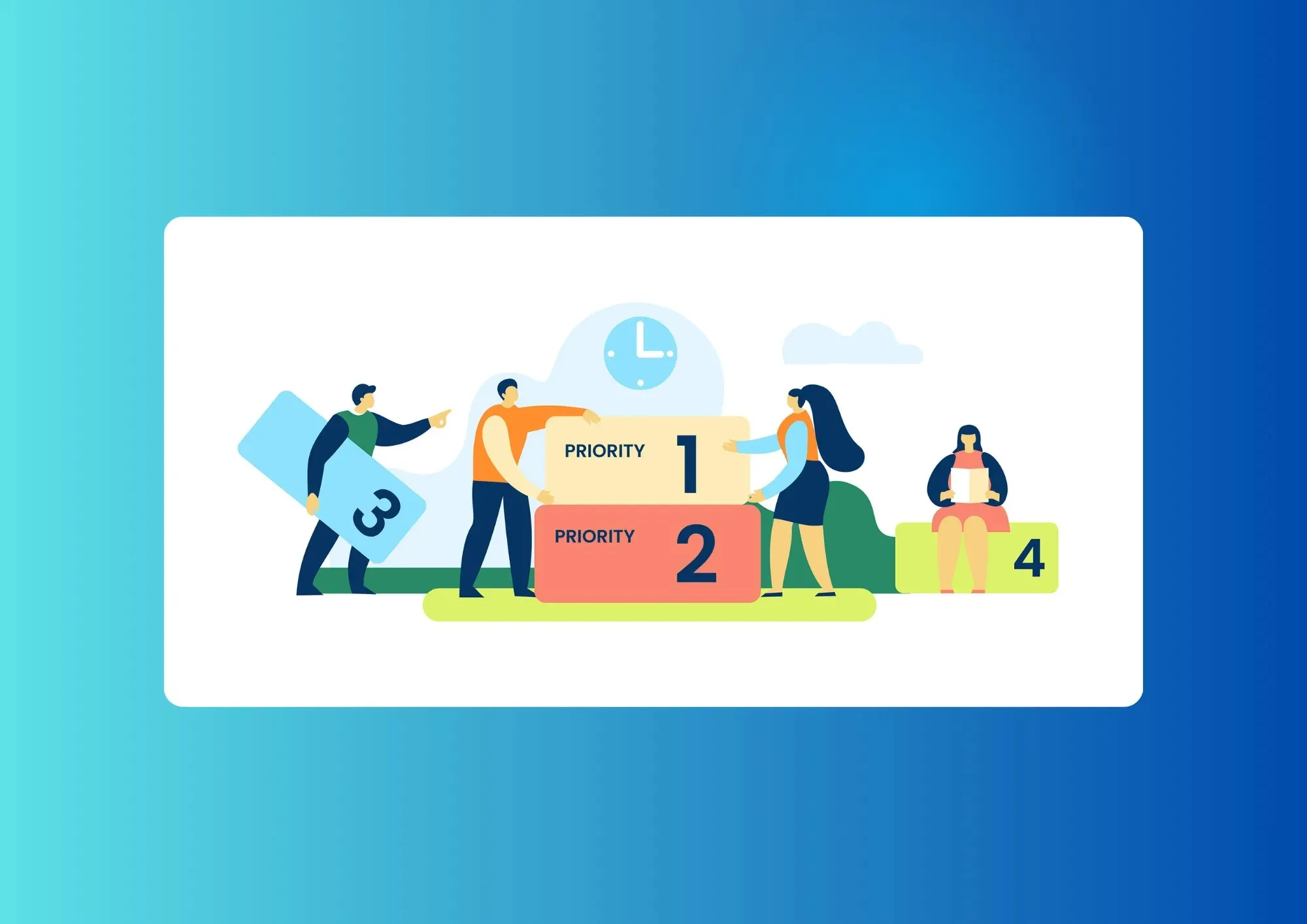
The Fundamentals of Feature Prioritization in Product Development
Feature prioritization involves evaluating and ordering product features based on criteria that reflect strategic goals and user needs. This process manages project timelines, budgets, and resource allocation while delivering maximum value to users and achieving business objectives like increased market share and customer satisfaction.
1. The Role of Market Research
Market research provides direct insights into customer needs and preferences, enabling teams to identify the most valuable features for their target audience. It helps anticipate future demands and validates feature choices against actual market needs, reducing development risks.
Examples include:
- Surveys revealing user preference for ease of use over advanced features
- Focus groups identifying design as a key purchase factor
- User testing demonstrating demand for intuitive navigation systems
- Market trend analysis showing growing demand for eco-friendly materials
2. Implementing Prioritization Frameworks
MoSCoW Method categorizes features into four tiers:
- Must have: Non-negotiable requirements essential for success
- Should have: Important but non-critical features adding significant value
- Could have: Desirable features improving user experience if resources permit
- Won't have (this time): Least critical features deferred for future consideration
Kano Model classifies features by their satisfaction impact:
- Basic Needs: Minimum expected requirements; absence causes dissatisfaction
- Performance Needs: Directly correlated with satisfaction; better execution increases satisfaction
- Excitement Needs: Unexpected features providing delight when present
- Indifferent Quality: Features neither increasing nor decreasing satisfaction
- Reverse Quality: Features causing dissatisfaction when present, satisfaction when absent
3. Leveraging Data-Driven Insights
Analytics, user feedback, A/B testing, surveys, and usage data provide empirical evidence to support prioritization decisions. This objective information guides the process based on actual user behavior and preferences.
5. Balancing User Needs with Business Objectives
Effective prioritization requires understanding the market and product business model while aligning feature development with strategic business goals. This ensures commercial viability alongside user satisfaction.
Tools and Technologies for Effective Prioritization
Project management software (Jira, Trello) and specialized prioritization tools (Aha!, ProdPad) help organize and visualize the prioritization process.
Conclusion
Feature prioritization combines strategy with understanding of user requirements and business objectives. By mastering prioritization principles, leveraging established frameworks, engaging stakeholders, and using data-driven insights alongside Agile methodologies and specialized tools, development teams can successfully navigate feature selection and achieve competitive advantage in dynamic markets.
Share this article